Restorative Sleep as a Solution for Body Recovery
2 Feb 2026
3 Min Read
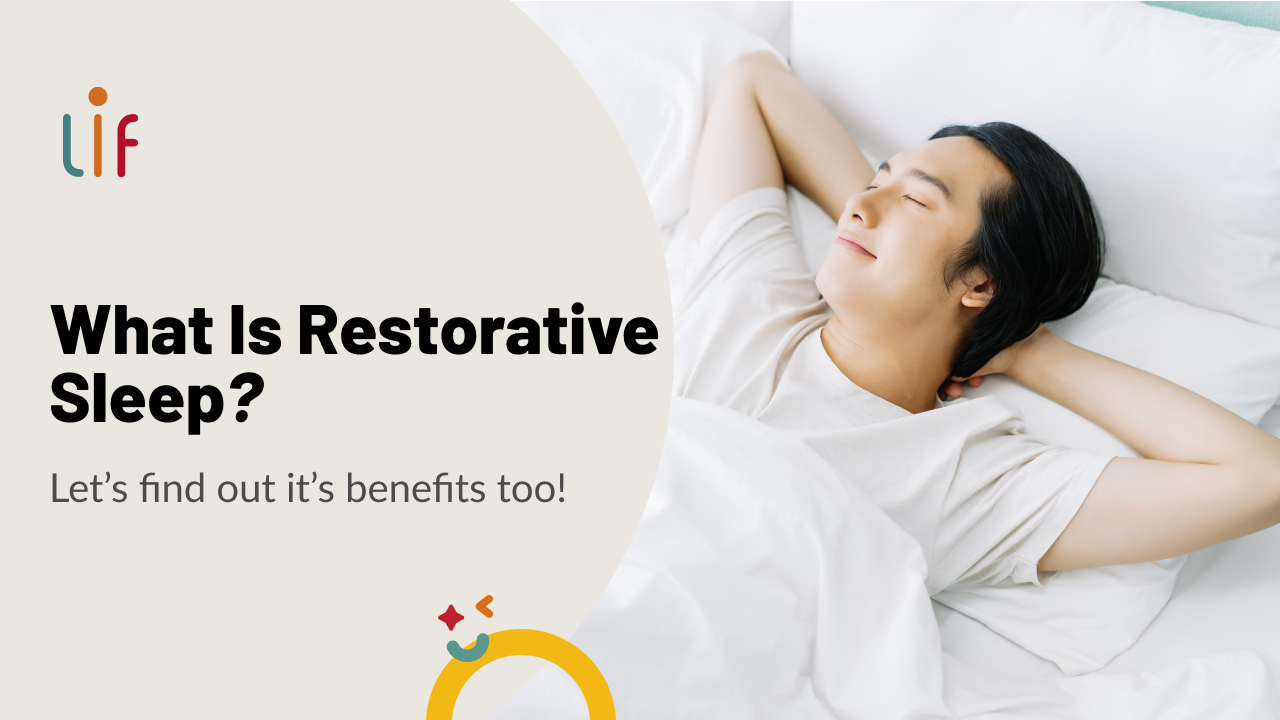
Having a strong and healthy body is everyone’s dream so we can get through busy and tiring days. However, did you know that a strong and healthy body is also influenced by the quality of your sleep?
Good, high-quality sleep gives you a refreshed, happy, and satisfied feeling when you wake up. Your body and brain recover after a full day of activities, preparing you to be productive again the next day. That’s why you should never underestimate the importance of sleep quality.
So, what happens when you don’t get quality sleep?
- Difficulty getting through the day because your body feels heavy and tired.
- Becoming forgetful and having trouble remembering things.
- Difficulty focusing and concentrating.
- If it continues over a long period, it can increase the risk of depression.
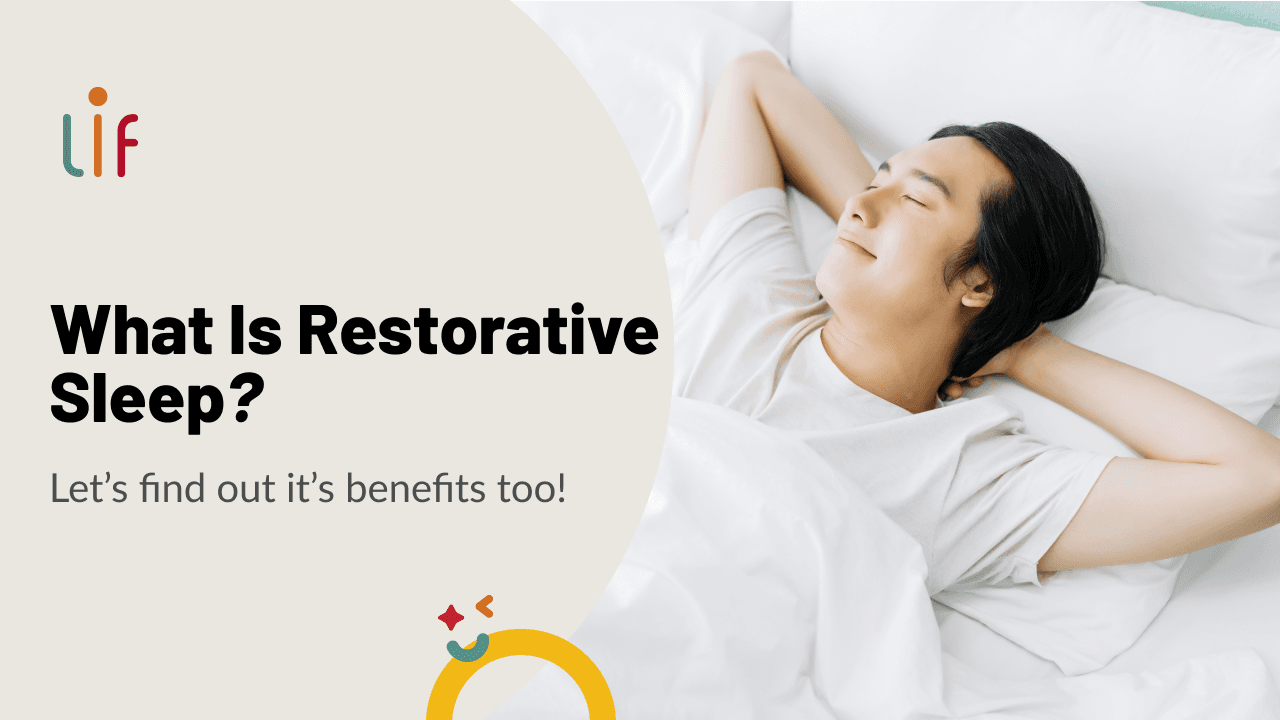
When you sleep, your body enters a phase called restorative sleep, or the recovery phase. During this time, your body carries out many important processes, such as repairing damaged tissues, strengthening the immune system, improving cognitive function, enhancing memory, and regulating hormonal balance.
The easiest way to know whether you are getting good quality sleep is by recognizing how you feel after waking up. If you often feel unrefreshed, sore, or still sleepy, there’s a high chance that your sleep quality is not optimal.
There are several things you can do to achieve restorative sleep:
- Create a consistent sleep schedule with a duration of 7–8 hours each night.
- Create the most comfortable sleep environment for yourself. For example, a dimly lit, quiet, and cool room.
- Limit exposure to blue light from your gadgets at least one hour before bedtime so melatonin (the sleep hormone) production is not disrupted.
- Avoid consuming alcohol, caffeine, and heavy meals 8–10 hours before sleep.
- Exercise regularly every day.
- Do calming activities before bed, such as reading, meditation, praying, or taking a warm bath, to help relax your body and mind so sleep feels more comfortable.
Some of you may have intentionally reduced your sleep time as a form of “revenge bedtime procrastination” after a long, exhausting day. You sacrifice 2–3 hours of sleep to watch movies, play games, or hang out with friends to feel better.
If this habit continues, instead of helping your body recover, it can actually worsen your physical and mental condition because sleep is essential and necessary for recovery.
Restorative sleep is crucial for maintaining overall health, especially after busy days. Without enough quality sleep, your body’s recovery will not be optimal and can eventually disrupt your health.