What's the Relationship Between Sleep and Body Fat?
18 May 2026
2 Min Read
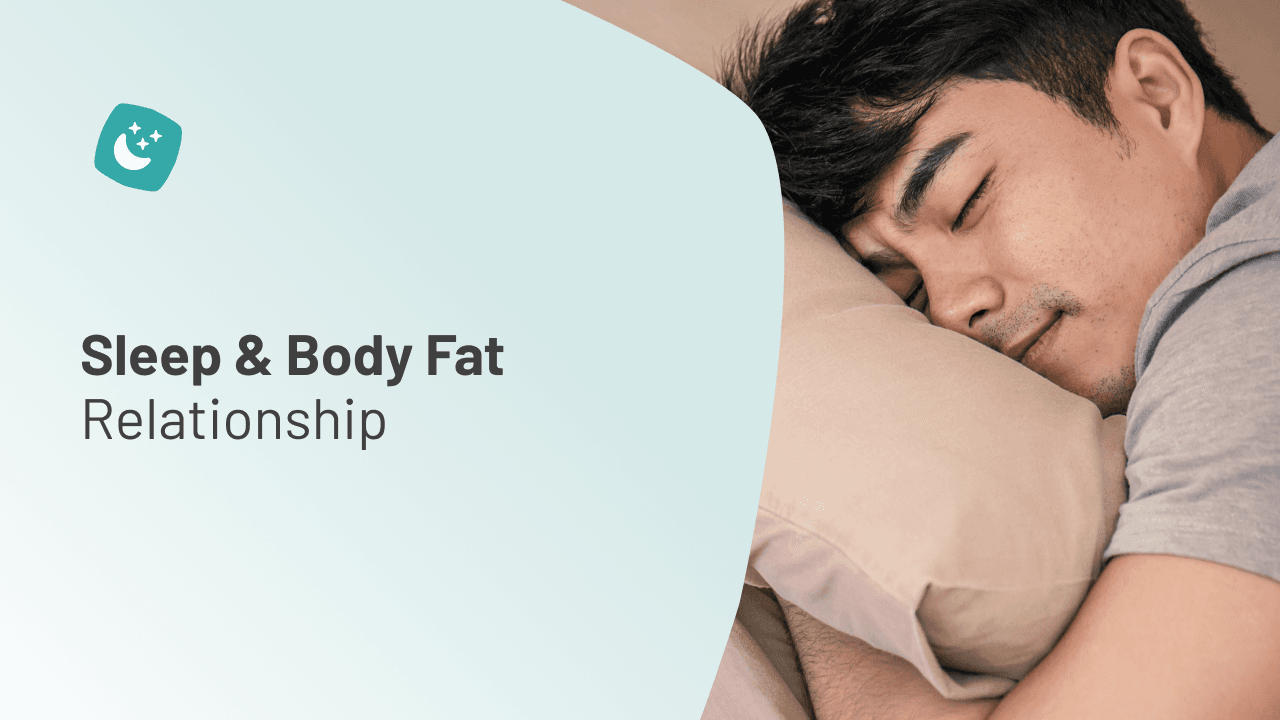
Who still underestimates the importance of sleep? Many people are willing to stay up late for work, binge-watching their favorite series, gaming, or endlessly scrolling through social media. But did you know that lack of sleep can have serious effects on our bodies? One of the often-overlooked consequences is an increase in body fat percentage.
Why Is Sleep Important?
Sleep is not just about closing your eyes. While you sleep, your body goes through essential recovery processes, such as repairing cells, regulating hormones, and strengthening the immune system. When you don’t get enough sleep, all of these processes can be disrupted.
Research shows that sleep deprivation affects the balance of hunger and fullness hormones ghrelin increases while leptin decreases. As a result, you feel hungrier and are more likely to snack on high-calorie foods. Ever felt starving in the middle of the night after staying up late? That’s your hormones “acting up.”
Sleep and Body Fat: What’s the Connection?
During sleep, especially in the REM phase, the body regulates important hormones, including insulin, which helps manage blood sugar and fat storage. Lack of sleep reduces insulin sensitivity. The result? Fat that should be burned for energy ends up being stored in the body instead. Studies also show that people who sleep less than 6 hours per night tend to have a higher body fat percentage compared to those who sleep 7- 8 hours. So, getting enough sleep may actually be a secret weapon for maintaining a healthy weight.
Stress and Cortisol
Sleep deprivation also increases stress, which triggers the release of the hormone cortisol. High cortisol levels can make you crave sugary or fatty foods, as if your body is in “survival mode.” This not only causes you to snack more often but also contributes to fat accumulation around the abdominal area.
As a result, lack of sleep, stress, and poor eating habits create a “vicious cycle” that can be difficult to break. If left unchecked, this condition can negatively impact overall health.
Getting Enough Sleep Is the Key
Want to reduce body fat? Start by getting enough sleep. Try to go to bed and wake up at the same time every day, and avoid unnecessary late nights. Create a comfortable sleep environment by turning off the lights, adjusting the room temperature, and using supportive pillows and mattresses.
If you have trouble sleeping, try relaxing activities such as reading a light book, meditating, or listening to calming music. With quality sleep, your body will be better prepared to burn fat and function optimally throughout the day.
Conclusion: Quality Sleep for a Healthy Body
Sleep is not just about feeling sleepy it is a key factor in maintaining overall health. By getting enough sleep, you can reduce stress, maintain hormonal balance, and prevent excess body fat accumulation.
So, let’s start prioritizing sleep from now on! A healthy body begins with sufficient rest. Don’t underestimate it, because sleep is also a form of self-love. Give it a try, and may your body become healthier and more energized!